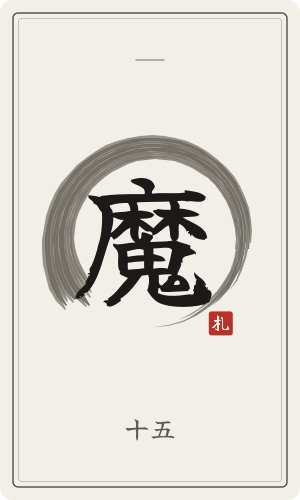
Major Arcana, number 15
The Devil meaning and how to read it
- upright
- attachment, temptation, dependence, desire
- reversed
- release, breaking free, awakening
The Devil shows a man and a woman chained below a seated devil. Look closely and the chains are loose enough to slip off. What binds them is their own desire and belief.
Updated September 23, 2026
The Devil upright meaning
Upright, something you cannot walk away from is holding you: a strong craving, or a habit you want to quit and cannot. It narrows your choices.
It is also the card of strong magnetism and passion. Things begin to change once you tell whether you truly want it or it is only habit.
The Devil reversed meaning
Reversed, the hold loosens and a way out appears. A good time to cut a bad habit or a relationship you have come to depend on.
The Devil in love and feelings
Upright
A powerful attraction that is hard to leave. It can also show obsession, dependence, or a relationship you know is bad for you but keep going back to.
Reversed
Breaking free from a love that held you. The resolve to end a convenient or painful relationship arrives.
In the place of their feelings
They are strongly drawn to you. That feeling may be mixed with possessiveness.
The Devil for career and money
Upright
Desire for money or status is running high. Check whether good terms are keeping you in work that does not suit you.
Reversed
A chance to leave a workplace or way of working that has held you for a long time. A tailwind for a side business or job change.
The Devil as a future card
As a future card, watch for temptation and attachment. Reversed, it points to release from what ties you down.
The Devil in a yes or no reading
uprightNoreversedDepends
Upright, no: if the wish comes from craving or attachment, stop. Reversed, depends: cut something loose and the way opens.
The Devil as a birth card
The Devil is your personality card if the digits reduce to 15. Born on March 5, 1942: 3 + 5 + 1942 = 1950, and 1 + 9 + 5 + 0 = 15. Then 1 + 5 = 6, so the soul card is the Lovers. Because of how the sums work, it only appears for people born in the 1940s or earlier, or from the 2010s on.